








In a city defined by its ever-evolving dining landscape, where new restaurants and trends emerge almost daily, the most meaningful food experiences often lie beyond the public eye—inside homes. This journey across four home kitchens in Delhi/NCR was not about indulgence alone, but about understanding the deeper narratives that shape what we eat. Each table—whether rooted in Rajasthani tradition, modern Indian experimentation, Kashmiri simplicity, or Odia authenticity—offered more than just a meal; it offered a perspective. From carefully preserved recipes to intuitive improvisations, these experiences revealed how food continues to be a powerful medium of memory, identity, and connection. What emerged was a realisation that home-cooked meals are not bound by format or expectation—they are deeply personal, often emotional, and always reflective of the people behind them. In these four homes, food was not just served; it was shared, narrated, and felt.Marwadi Khana
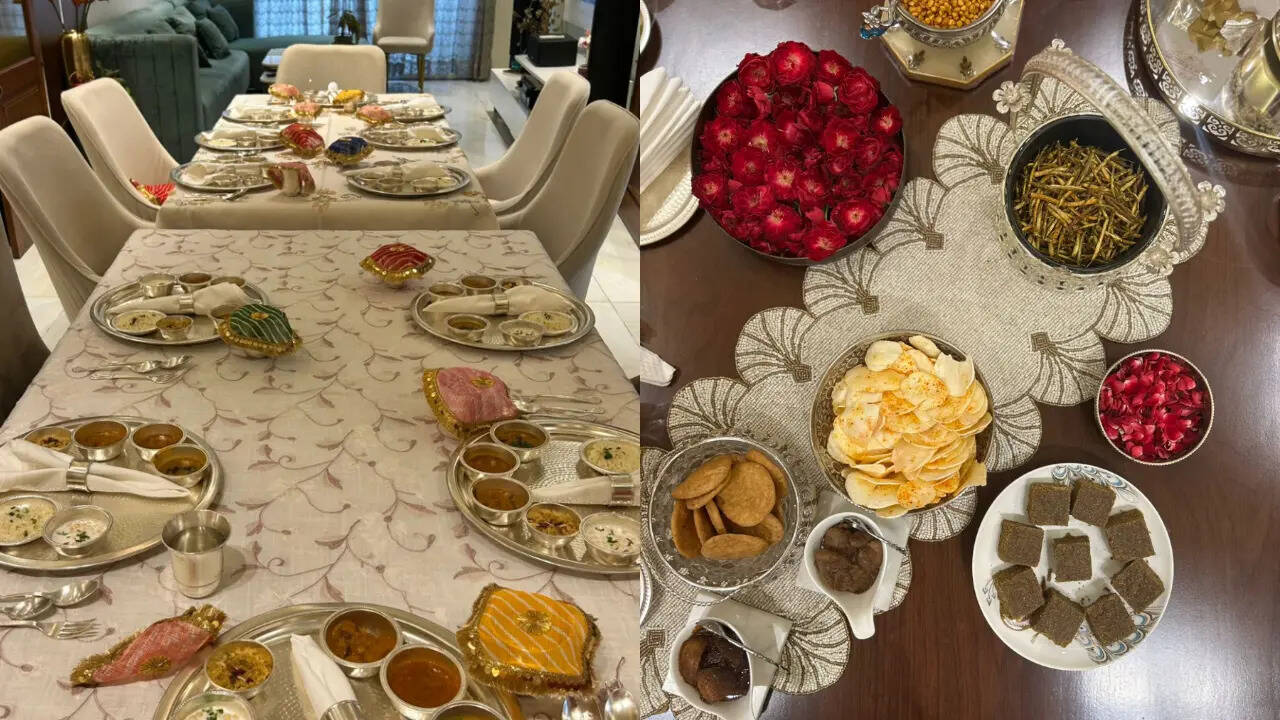
Abhilasha Jain’s Marwadi Khana has long stood as a thoughtful ode to the richness of Rajasthani cuisine and culture—and at Bindora, that vision unfolded with remarkable clarity. This was not merely a meal, but a carefully curated cultural experience where every element, from the menu to the presentation, reflected a deep-rooted commitment to tradition and community.What immediately stood out was the use of handcrafted, embellished crockery, each piece echoing Abhilasha’s larger intent—to create a platform where culinary heritage and artisan communities grow in tandem. The menu, too, was a celebration of both authenticity and innovation. The experience began with refreshing notes of Kesar Chandan Sherbet infused with gond katira, followed by a series of thoughtfully reimagined starters—Laapsi Bites, Walnut Arbi Tikki with hari chutney, Hing Kachori paired with saunth, and Mirch Bada served with kadhi. Each dish carried a distinct element of surprise, whether in its plating or nuanced preparation.The main course was presented with equal finesse. A striking table setup—silverware draped in vibrant bandhani fabric—brought a vivid slice of Rajasthan into the urban rhythm of Gurugram. The spread itself was expansive and deeply rooted in regional flavours: Panchmela Dal with Bati, Hari Methi Gatte, Ker Kaju, Makki ki Sabji, Aloo Pyaaz ki Sabji, Malai Tinda, Kachari Mirch, and Karonda Mirch, complemented by Ghee Chawal, Bikaneri Paratha, Khoba Roti, and the signature Jarripalla Churma.The afternoon concluded on a sweet note with a selection of traditional desserts—Jhajariya, Besan Halwa, Nariyal Burfi Bites, and Baked Boondi—followed by comforting masala chai and paan, rounding off the experience with warmth and familiarity.
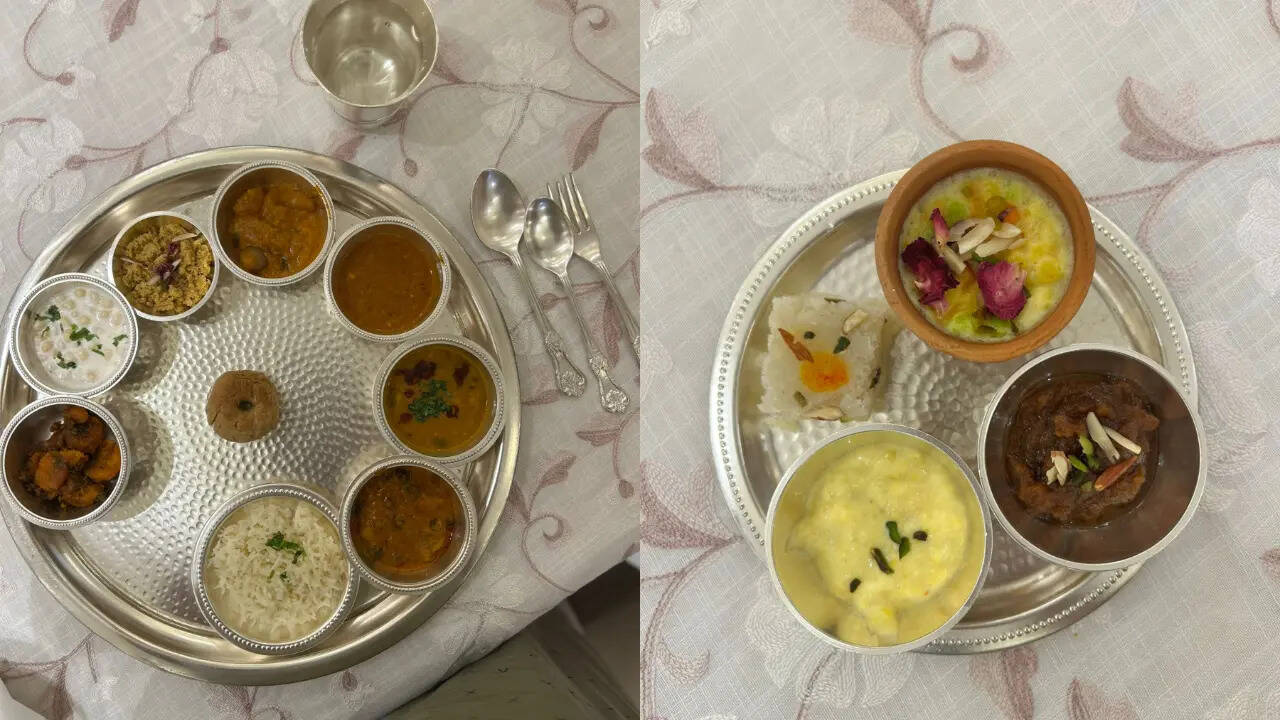
What I Learnt: Preserving regional cuisine is not merely about replicating recipes—it demands both passion and precision, as food is deeply intertwined with memory and sentiment. More importantly, the act of inviting people into a space and serving them with intention elevates the experience beyond dining. It becomes a moment of connection. Abhilasha and her team understand this intrinsically, ensuring that hospitality here is as memorable as the food itself—thoughtful, attentive, and deeply personal.Bapu’s Curries
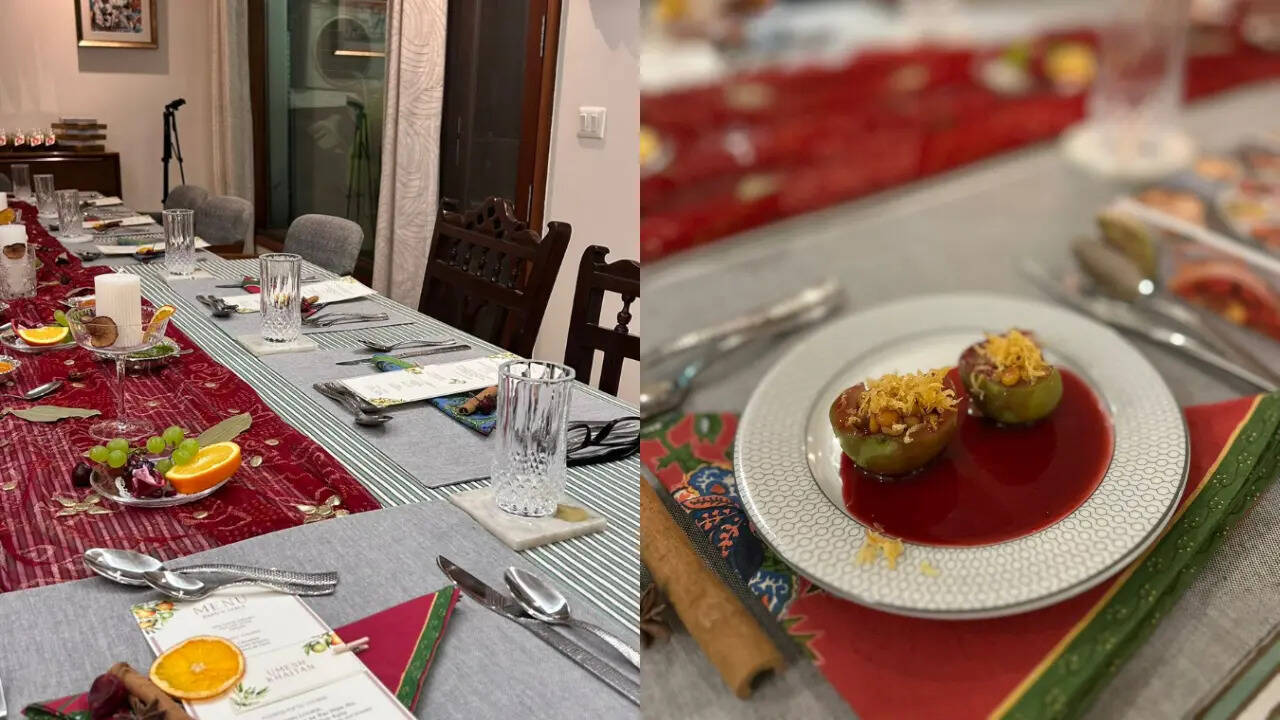
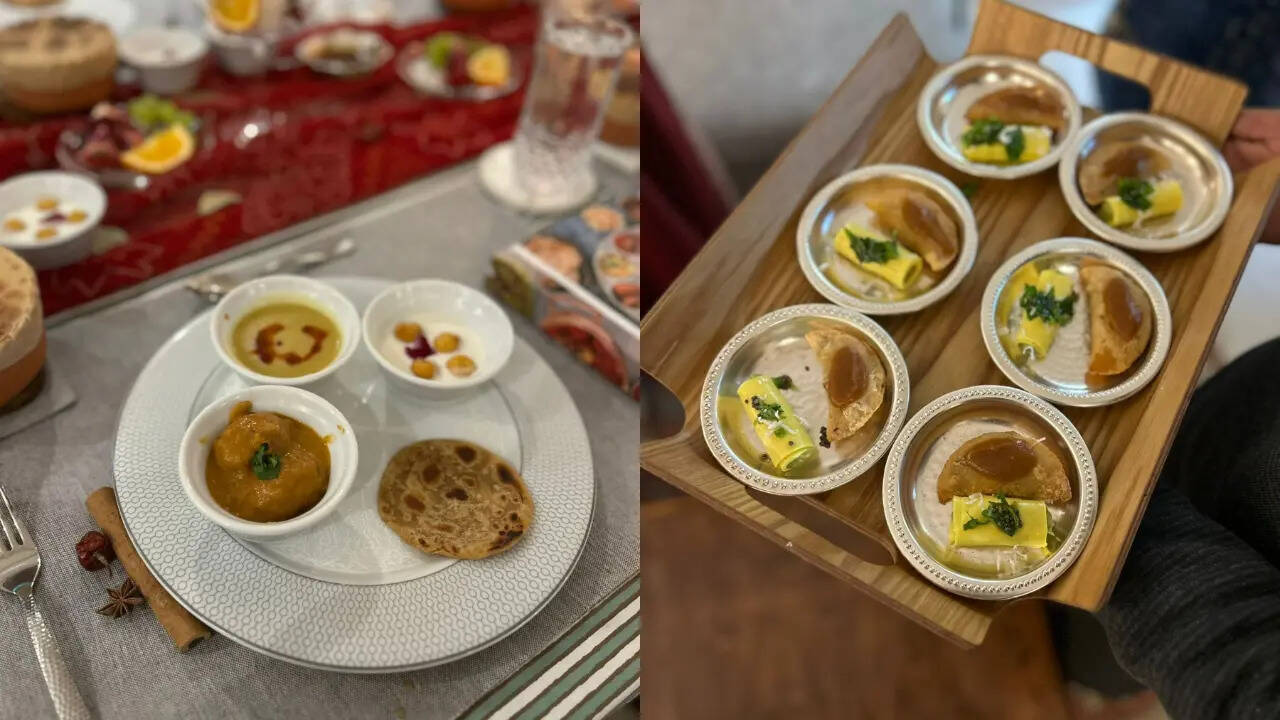
Not every dining experience is born out of immediacy or social media virality. Some take shape over decades—researched, refined, written, and rewritten—before finally arriving at the table. Bapu’s Curries is one such story. Led by Umesh Khaitan, fondly known as Bapu, alongside his daughter Shreeparna Khaitan and Surabhi Anand, the dinner marked not just a culinary showcase but the culmination of years of thought, memory, and documentation.At the heart of this experience lies Bapu’s first cookbook—an extension of his culinary philosophy—carefully drafted by Shreeparna and Surabhi under the mentorship of Sangeeta Khanna. The dinner table, in many ways, felt like a living, breathing version of that book, where recipes translated into narratives and ideas found expression through food.Having previously encountered a glimpse of this vision during a recipe shoot with the family in July 2025, this meal carried a sense of anticipation. The menu opened with inventive starters—Guac Khandvi, Chawal ke Farre, and a standout Chaat Bomb, where tinda was reimagined with chana dal and a tangy pomegranate coulis. The main course continued this interplay of tradition and innovation, featuring Ricotta and Spinach Gujiya in Orange Curry, Mathe ki Dal, Badshahi Kofta, and Bapu’s Gucchi Biryani—each dish reflecting both technical finesse and a deep understanding of flavour.Desserts further pushed the boundaries of convention. Bapu’s Basque Cheese Toast Paratha offered a playful reinterpretation of the classic cheesecake, while Moong Dal Halwa and a delicate pairing of stewed apple with gulakand brought the meal to a nuanced, memorable close.
What I Learnt: Culinary evolution is, at its core, an ongoing process of learning and experimentation. To create a modern plate rooted in tradition, one must first understand the language of ingredients—their textures, temperaments, and possibilities. Bapu exemplifies this approach with remarkable ease. Whether it is transforming the often-overlooked tinda into a vibrant chaat element or reworking global inspirations into familiar formats, his dishes reflects both curiosity and confidence. As he aptly puts it, ideas are constantly “brewing” in his mind—captured just in time before giving way to the next creation. It is this restless pursuit of innovation, grounded in deep culinary knowledge, that makes his work both relevant and enduring.Kartik’s Kitchen
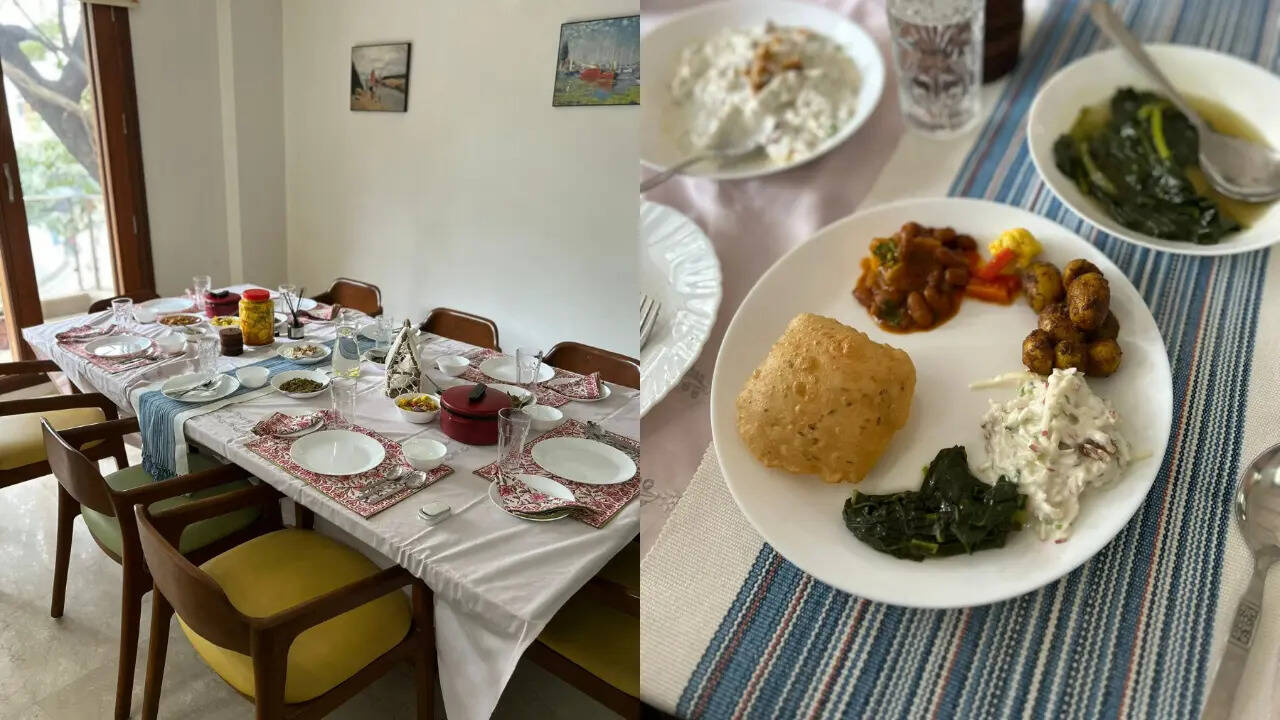
Chef Kartikeya Sinha’s Kartik’s Kitchen has steadily built a reputation for its thoughtful engagement with regional Indian cuisines. When invited to experience a Kashmiri lunch curated by him, the expectation was not excess, but nuance—a quiet exploration of a cuisine often defined by its restraint and depth. The setting reflected this sensibility: a simple table dressed in crisp linen and pristine white crockery, allowing the food to take centre stage.The menu unfolded as a celebration of comfort and familiarity. From Kashmiri Tahri (peele chawal) and Kashmiri Aloo Rajma to Haak, each dish carried an unassuming authenticity. Alongside these were subtle reinterpretations—Rajma ke Kebab, sourdough pooris, and a striking radish-walnut chutney—that added layers of texture and flavour without disrupting the essence of the cuisine. The meal felt deeply personal, almost reminiscent of a home-cooked spread, where simplicity is elevated through care rather than complexity. It concluded on a warm, seasonal note with Gajar Halwa and a fragrant Kashmiri Kehwa.
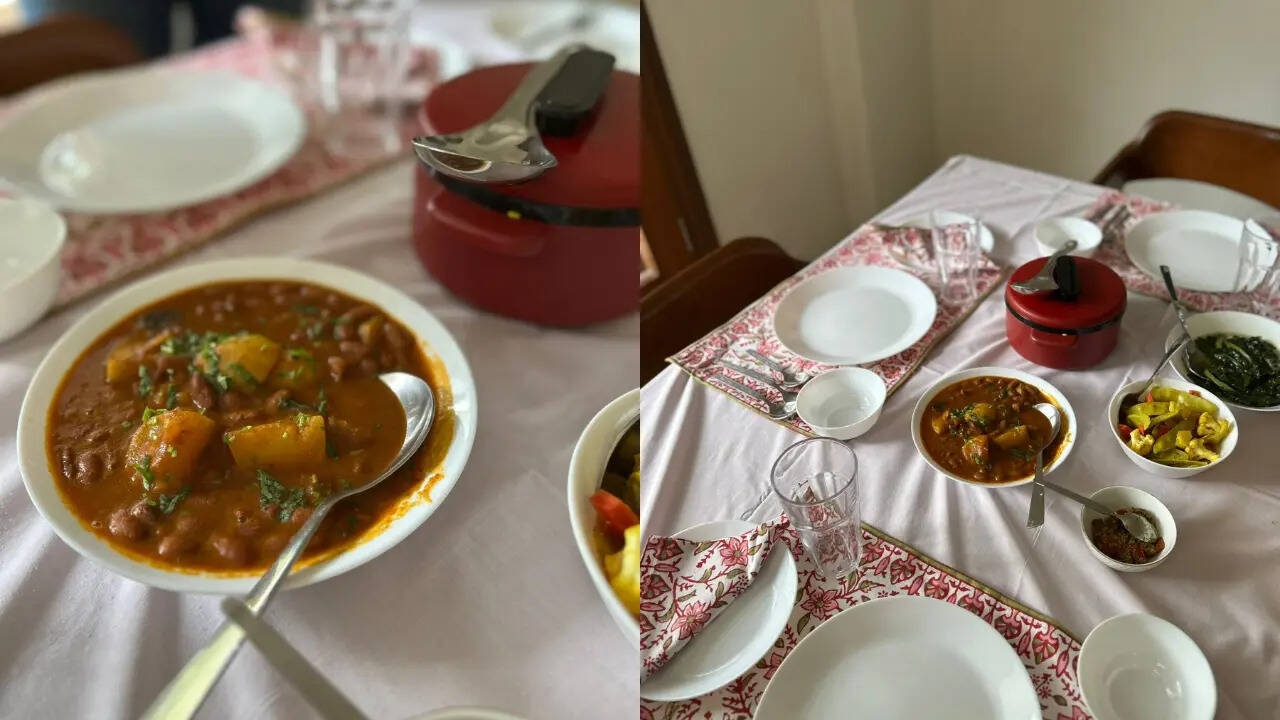
What I Learnt: Having observed Chef Kartikeya’s work over the past four years, one consistent thread stands out—his menus resist rigidity. They are not bound by strict definitions of tradition, but instead shaped by instinct, improvisation, and an understanding of comfort. This meal was a reflection of that philosophy. The introduction of sourdough elements into an otherwise traditional spread, or the decision to end with a universally loved Gajar Halwa, spoke of a chef who prioritises experience over convention. What further distinguishes Kartik’s Kitchen is its unpretentious, almost casual dining atmosphere. It does not seek to replicate the formality of a supper club; instead, it creates a space where food feels approachable and intimate. Here, the flavours of comfort take precedence, allowing the meal to resonate not as a performance, but as a deeply satisfying, lived experience.Rosei Ghara
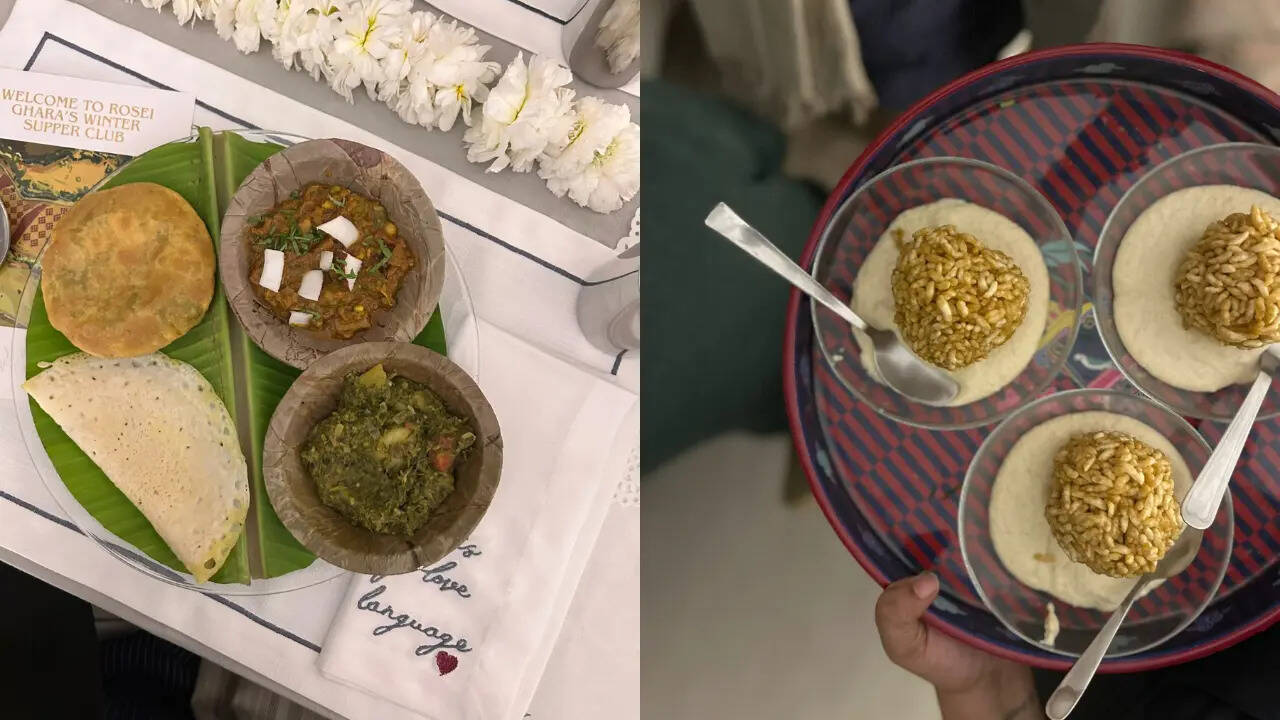
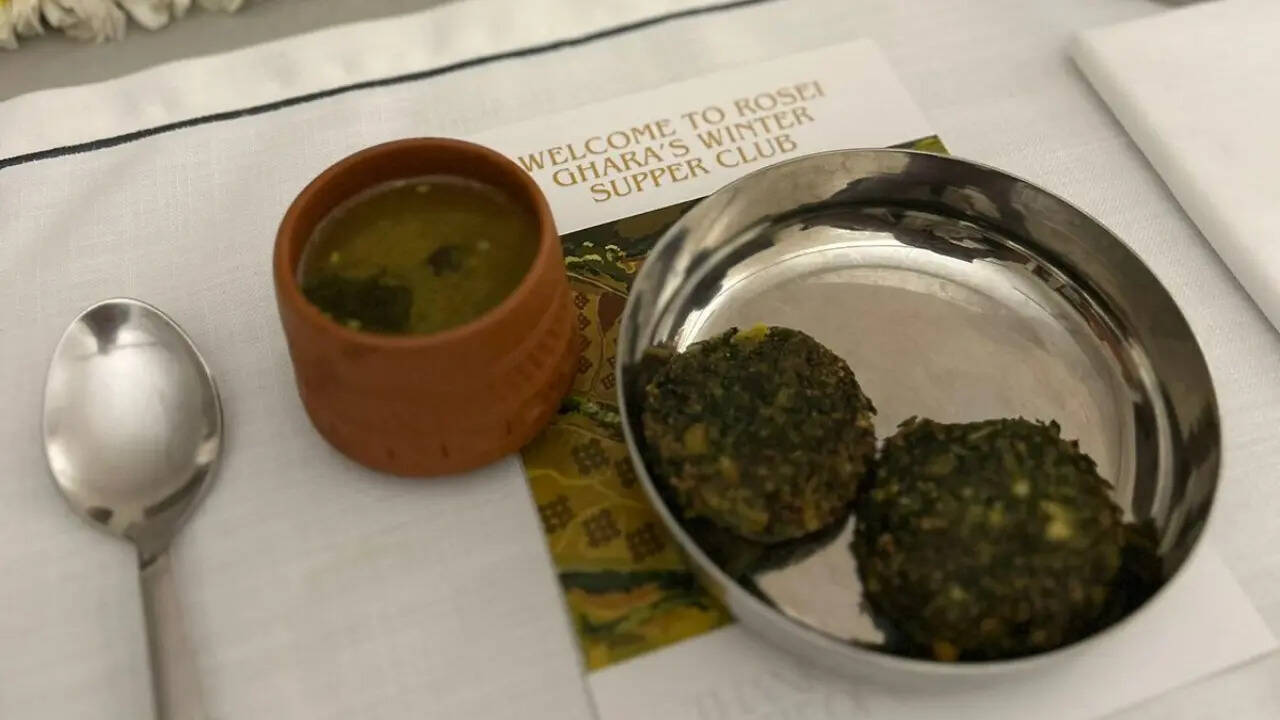
Conceived by Aditi Mohapatra Rath and Anubhuti Mishra, Rosei Ghara is less a dining concept and more an intimate expression of Odisha’s culinary heritage. Set within a home gently adorned with fresh tuberose, marigolds, and the soft glow of tealight candles, the experience began not with spectacle, but with warmth—both in spirit and on the palate.I was welcomed with a comforting serving of Kanji, a lightly fermented rice-lentil broth, presented in an earthen, kulhad-like vessel. It set the tone for what followed: food that was deeply rooted, quietly complex, and unapologetically traditional. The meal progressed with Saaga Bara—delicate spinach fritters paired with Ambula Rai, spiced and dried raw mango chutney and Moola Khatta, before moving into a thoughtfully composed main course. Dishes like Ghanto Tarkari, a medley of seasonal vegetables and lentils, and Saaga Muga, a harmonious pairing of leafy greens and moong dal, reflected the region’s inherent balance of nutrition and flavour. These were accompanied by Chakuli Pitha (soft rice pancakes) and Matar Poori, completing a spread that felt both wholesome and evocative.Dessert arrived in the form of Ganjam Crunch—a textural interplay of puffed rice and jaggery ladoos served atop a bed of thickened milk (rabri)—bringing the meal to a close that was both indulgent and nostalgic.
What I Learnt: In an era of constant reinvention, there is quiet power in presenting regional cuisine in its most authentic form. Not every dish needs reinterpretation; sometimes, its original identity is its greatest strength. This was evident not just in the food, but in the response it evoked. Among the diners was Janmojaya Barik, who had travelled from Noida to Hauz Khas in search of flavours reminiscent of home. For him, and many others, the meal was not merely about taste—it was about memory, familiarity, and emotional connection. At Rosei Ghara, the experience underscores a simple yet profound truth: food, when prepared with sincerity and served with intention, transcended trends. For that night, it became a bridge to home—no matter how far one might have been.