






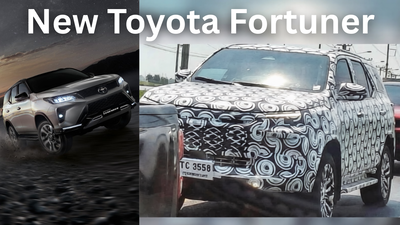
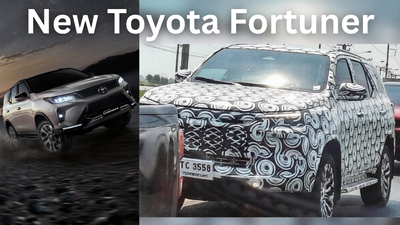
Toyota is getting ready to introduce the next-generation Toyota Fortuner SUV. The upcoming model has been spotted undergoing road tests in Thailand, offering an early look at its revised design. Spy images suggest a more muscular and imposing appearance, indicating significant styling updates for the new iteration. The current, second-generation Fortuner was first introduced in global markets in 2016 and later updated with a facelift in 2021. The next iteration is likely to move to a new platform and is expected to bring changes to its exterior design and interior layout. Feature additions, upgraded safety equipment and potential revisions to the engine options are also anticipated.
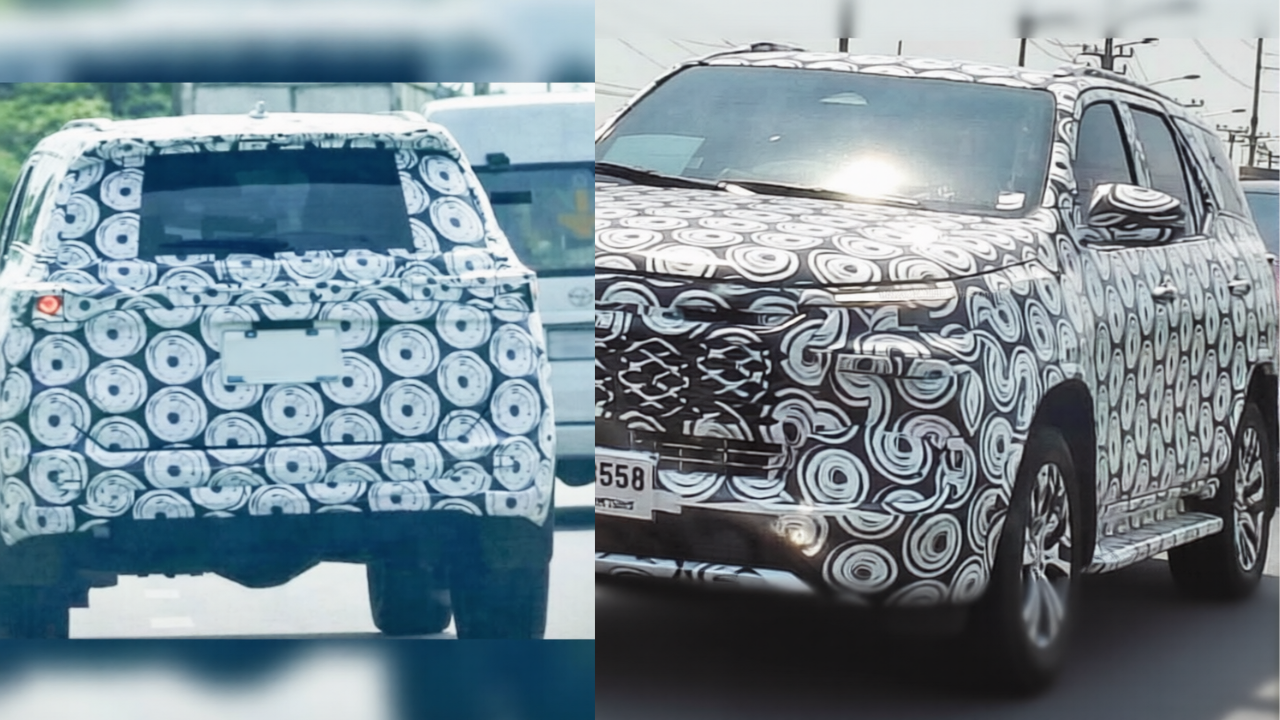
Recent spy shots show the SUV undergoing testing in heavy camouflage on Thai roads. In terms of design, the overall silhouette of the SUV looks largely unchanged, but there are clear differences in its stance. The test vehicle appears taller and more upright, with a flatter bonnet and a broader-looking front end that gives it a stronger road presence. While a launch timeline for India has not been announced, a global debut is anticipated in 2026 or early 2027. Once introduced, it will continue to rival models such as the MG Majestor, Jeep Meridian, Mahindra Scorpio and Isuzu MU-X.Up front, the styling seems to take cues from the recently unveiled Hilux. The daytime running lights are slim and positioned higher up, while the primary headlamp units sit lower on the bumper, creating a split-light setup. The grille looks bigger than before, and the front bumper has been reworked, with the fog lamps placed lower down on the fascia. At the rear, most details remain concealed under camouflage. However, the visible outline indicates a more squared-off shape compared to the current model. Overall, the upcoming Fortuner is expected to maintain its upright proportions, but with sharper detailing and design elements similar to Toyota’s newer ladder-frame SUVs.
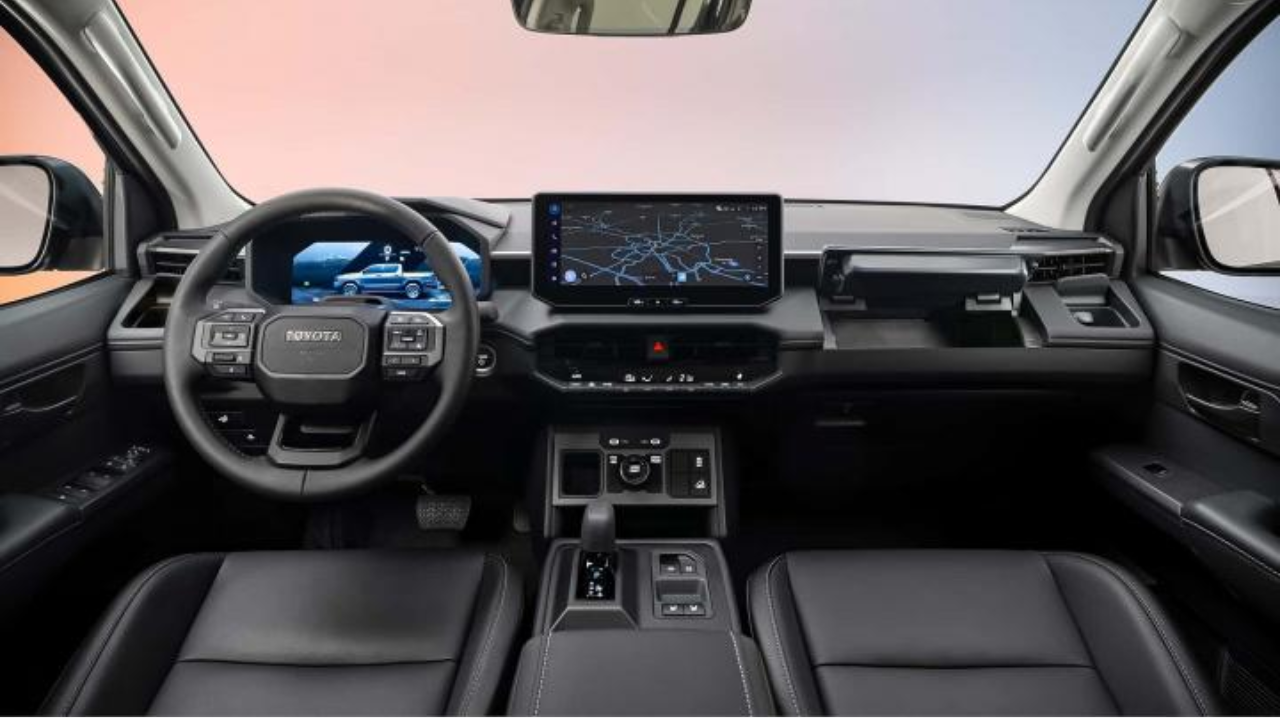
Details of the cabin have not yet been disclosed, but the upcoming Fortuner is widely expected to receive a comprehensive interior update. Taking reference from the latest Hilux, the SUV could introduce a fully digital instrument display and a larger infotainment screen running an updated interface. Features likely to be offered include wireless Apple CarPlay and Android Auto, ventilated front seats, connected vehicle functions, electrically adjustable front seats, dual-zone climate control, push-button start and stop, a sunroof and leatherette seat trim. Safety equipment is also expected to expand, potentially including multiple airbags and advanced driver assistance systems. Improvements in cabin materials and overall seating comfort are anticipated as well.
The new model is expected to retain the existing 2.8-litre four-cylinder turbo-diesel engine, paired with either a six-speed manual or a six-speed torque converter automatic transmission. A four-wheel-drive version equipped with a terrain management system is also likely to continue. There is speculation about the introduction of a petrol-hybrid option, although the company has not confirmed this.Image Source: Car250