








Life has a way of throwing curveballs, and this time, as tensions in West Asia mount up may, a crisis is seemingly be looking east. Reports suggest that there maybe a rising shortage of LPG cylinders in millions of households and restaurants serving food to people across the country, in the coming days.It is like when cooking gas runs dry and prices shoot up overnight, it turns every trip to the market into a math test you probably didn’t study for.
Prices are climbing, refills are tough to book, and commercial cylinders are scarce in major cities. In fact, on March 7, domestic LPG prices rose by Rs 60 per cylinder across cities, making a single one cost Rs 913 for a 14.2-kg non-subsidised cylinder.With LPG costs rising, household budgets feel the strain. But simple changes to your cooking habits can reduce gas usage and stretch cylinders 10–15 days longer, saving you money and likely help in fighting the scarcity, at least to some extent.
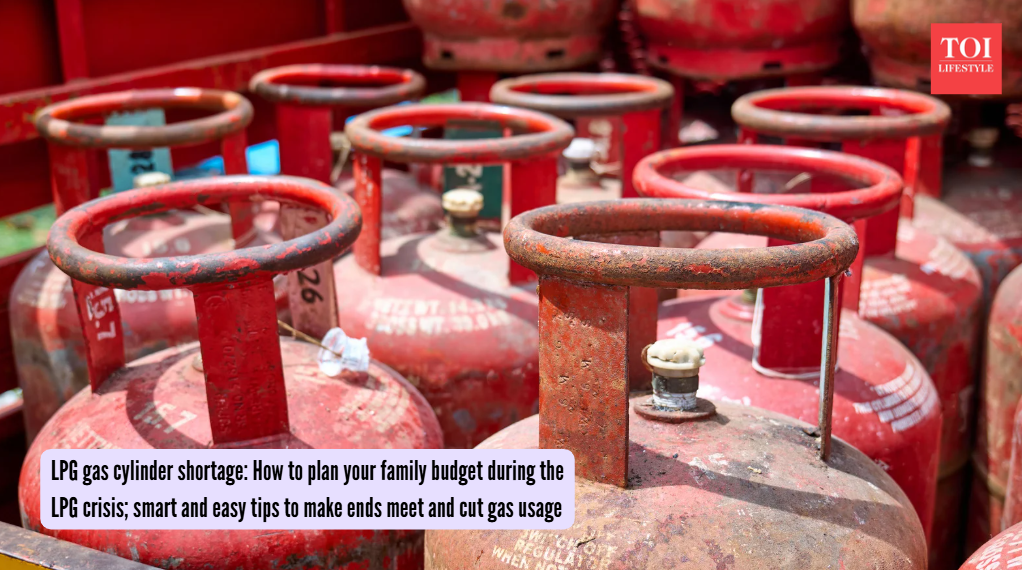
Representative Image
Reconsider your current spending
Start by tracking every expense for a week. Jot down gas refills and groceries. “List all fixed costs like rent and EMIs first, then variable ones like food and fuel,” advises financial planner Ramaswamy from Mint. In the LPG crunch, note how much you spend on alternatives like electric stoves. Use a simple notebook or free app like Walnut to spot extra expenses like ₹500 weekly on eating out. Cut it to see ₹2,000 saved monthly. This check builds your baseline amid rising costs.
Prioritise essential needs
Focus on must-haves like food, medicine, and utilities over luxuries. With LPG scarce, ration cylinders for cooking basics. Boil water once daily and batch-cook dals and rice. Stock non-perishables like lentils and veggies that last. Allocate 60% income to needs, 20% wants, 20% savings. Skip impulse buys. Ask yourself, “Do I need this today?” This might help in keeping your family fed without panic buying at inflated rates.
Explore affordable alternatives
Ditch full dependence on LPG. Switch to induction cookers or electric cookers, costing around ₹1,500 as a one-time investment, or solar stoves if the weather remains sunny. Buy veggies from local mandis, which are usually 20% cheaper, and grow herbs on windowsills. For fuel, carpooling or taking public transport might help in saving money during the month. Try to consume more home-cooked simple meals that cost less overall as compared to dining outside.
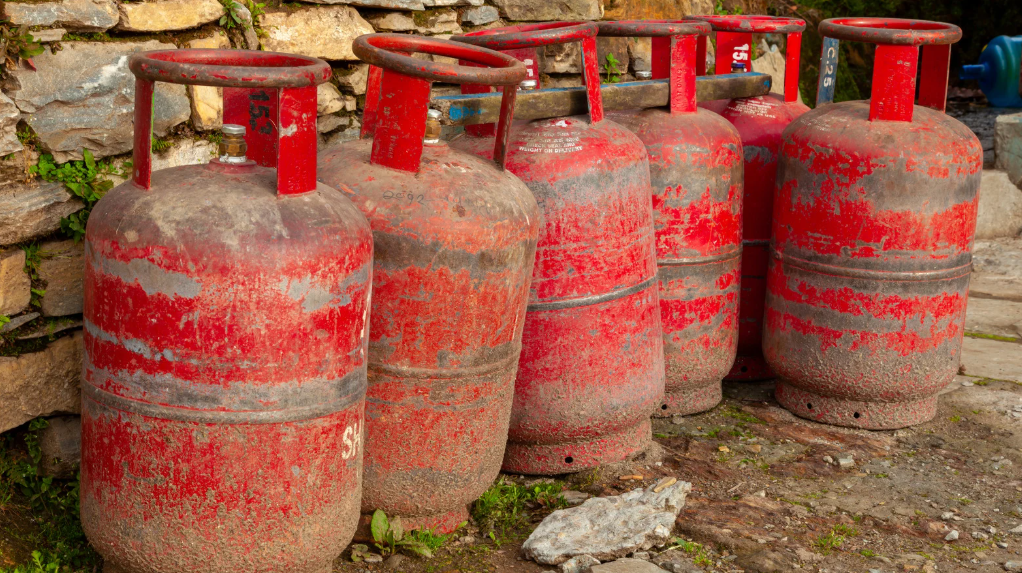
Representative Image
Apart from this, some smart kitchen tips can also help in cooking food with less consumption of LPG, which might make the gas cylinder last 10–15 days extra.
Soak the dal and rice first
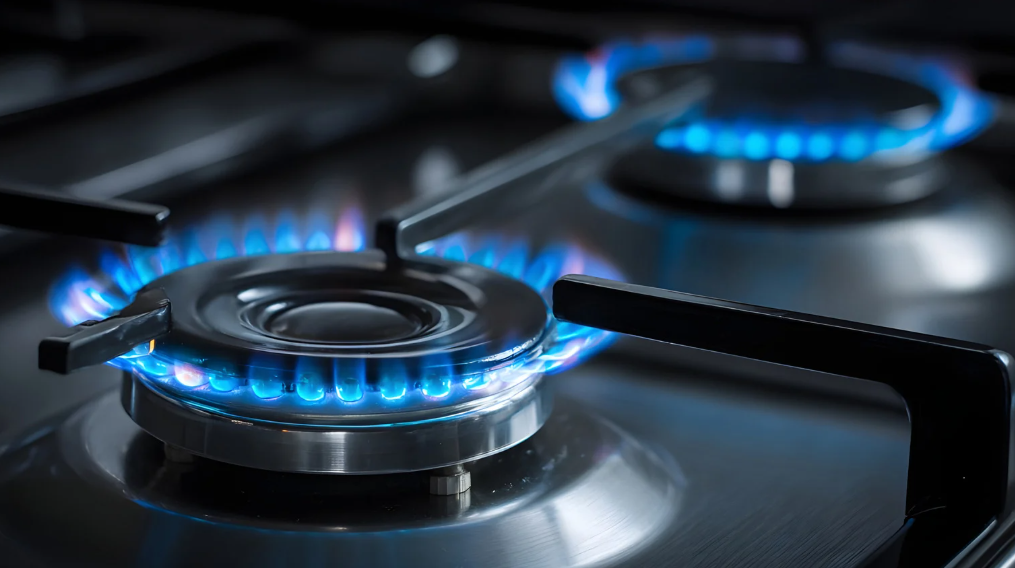
Many people rinse dal or rice and cook it right away. But soaking them in water for 30 minutes first helps them cook 20% faster. Also, if your stove flame looks yellow or orange, gas is wasting away. A proper blue flame means efficient burning. Yellow shows a dirty burner; grab an old toothbrush to clean the holes today for better savings. This simple step directly cuts down your gas use and saves money on refills.
Try to cover the pots while cooking
Cooking without a lid lets steam and heat escape, slowing everything down. Use a lid to trap heat and pressure, and your food will cook about 30% quicker, using less gas overall.
Representative Image
Dry pans and warm raw material
After washing, we often place wet pans straight on the flame. The fire wastes time drying water first. Wipe vessels dry with a cloth beforehand.Apart from this, we must keep in mind that cold milk, veggies, or dough from the fridge make your stove work harder. Take them out an hour early to reach room temperature. This easy way uses less gas for heating.