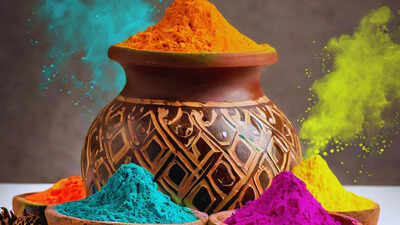
Holi is more than just a holiday. It’s a feeling, like the smell of gujiya frying in the kitchen, the sound of music in the streets, and the sight of colour in the air. It’s the day when people who don’t know each other become friends, old grudges go away, and spring really starts to feel like it’s here. If you’re curious about when Holi is in 2026 and what makes it so special, this is everything you need to know, from the date to the myths, history, rituals, food, and deeper meaning of the holiday.When is Holi in 2026?This year Holi will be celebrated on March 4, 2026. The night before, on March 3, 2026, Holika Dahan will start the celebrations. Holi is a Hindu holiday that falls on the full moon day (Purnima) of the month of Phalguna.
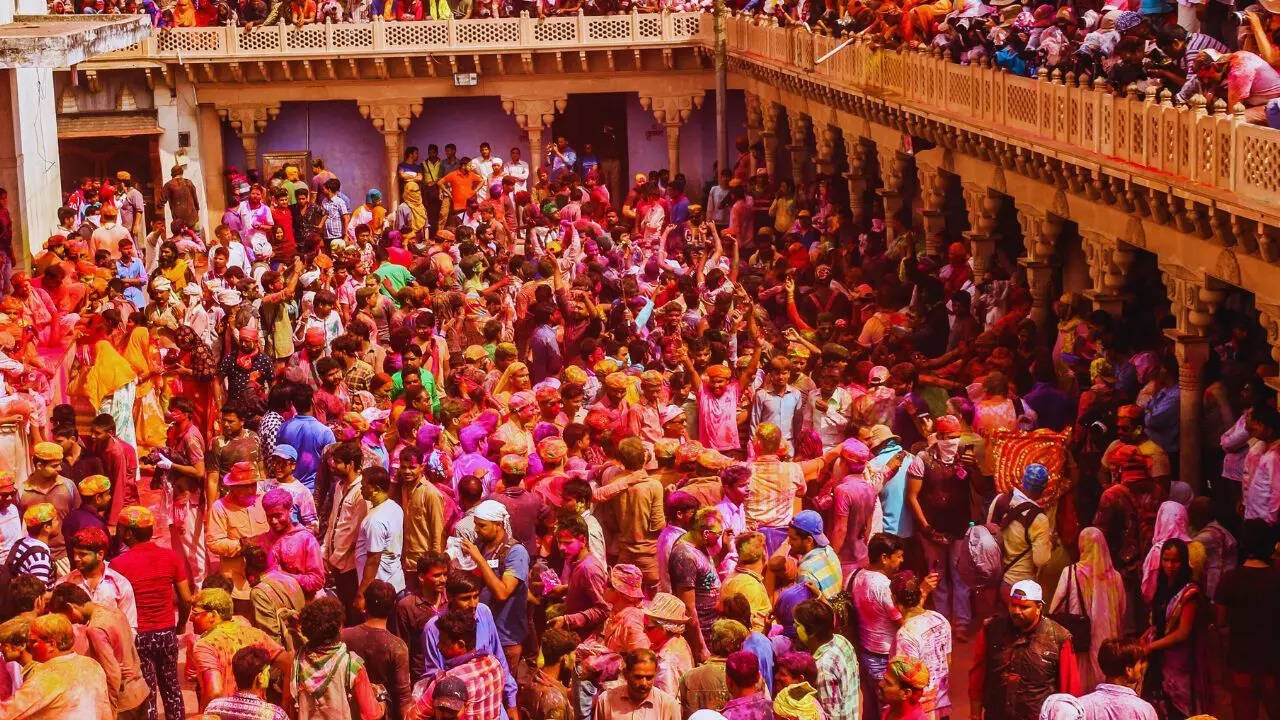
What is the festival of Holi?Holi is one of India’s most colorful and popular holidays. The “Festival of Colors” is what it’s called. It marks:
- The start of spring
- The end of the winter
- The victory of good over evil
- A time to forgive and start over
But Holi is not just about throwing colors and dancing. It has deep roots in mythology, farming cycles, local traditions, and hundreds of years of cultural change.
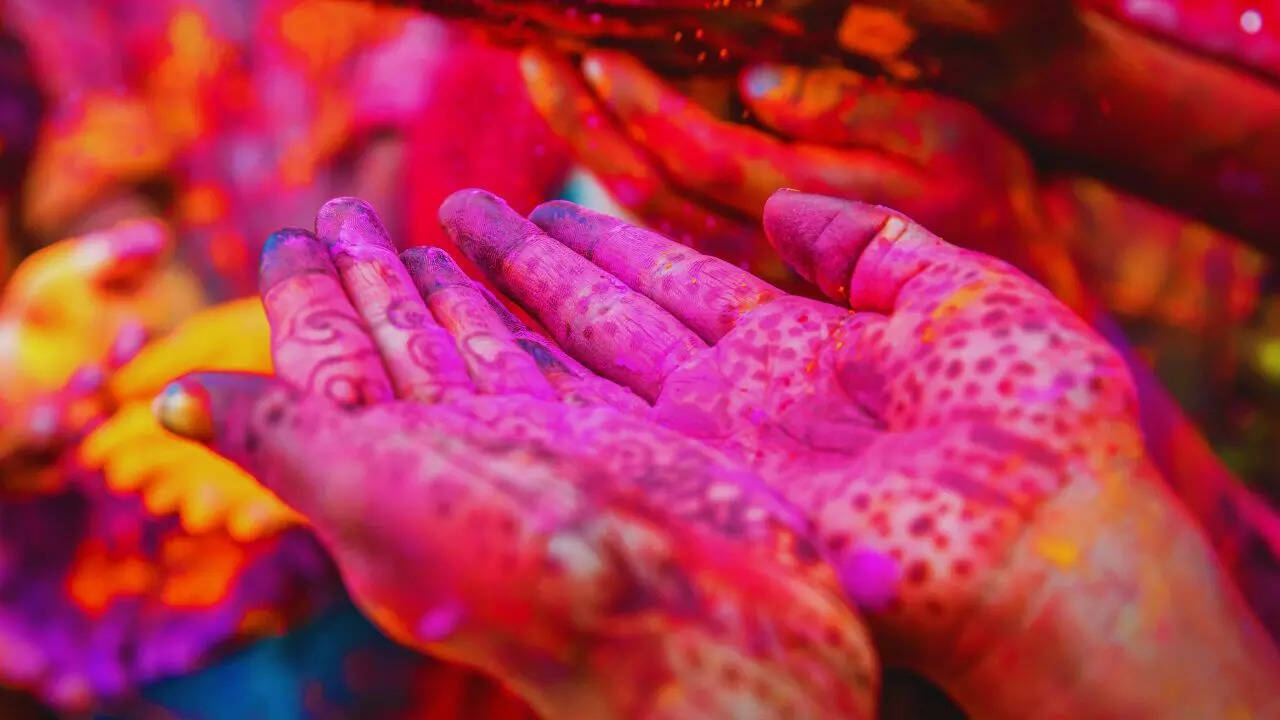
The story of Holi: Why it is celebratedThere are many stories about Holi, but the one that most people know is the story of Prahlad and Holika.Hiranyakashipu was a strong demon king a long time ago. He wanted everyone in his kingdom to only worship him. But his son, Prahlada, was a devoted follower of Lord Vishnu. Even though they tried to punish Prahlad many times, he stayed safe because of his strong faith. Finally, Hiranyakashipu asked his sister Holika for help. She had a magical gift that made her immune to fire. She sat in a fire with Prahlad on her lap, planning to kill him. But something unexpected happened. Holika’s power to protect failed because it was used for bad things. She burned in the fire, but Prahlad came out unharmed. This event shows that devotion and righteousness can win over pride and evil. The Holika Dahan bonfire is a ritual that symbolizes getting rid of bad things.
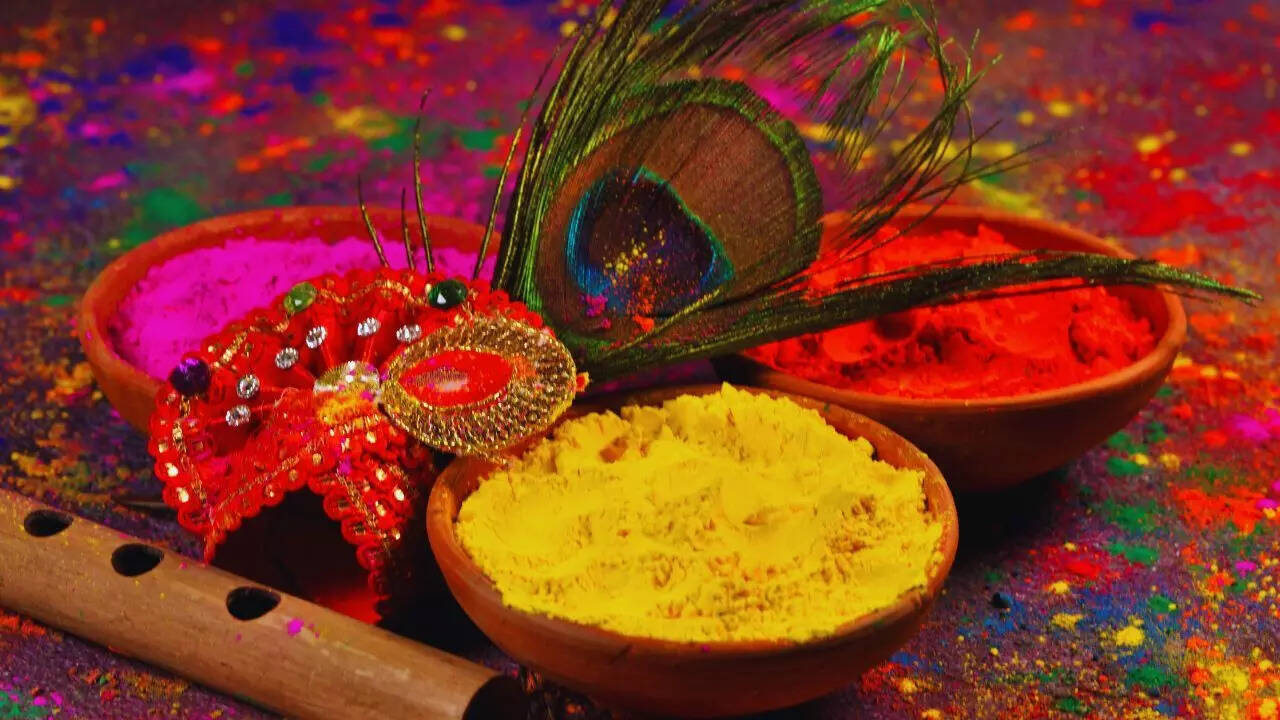
Radha-Krishna and Braj ki HoliHoli is very connected to the playful love story of Krishna and Radha in North India, especially in the Braj area around Mathura and Vrindavan. Legend has it that Krishna once told his mother that Radha’s skin was lighter than his own. His mother jokingly told him to paint Radha’s face however he wanted. This fun act became a symbol of the color-throwing tradition we see today. People in these areas celebrate Holi with a lot of excitement. For example, during Lathmar Holi, women hit men with sticks in a playful way to reenact Krishna teasing Radha.Holi celebrations in historyHoli is not just a story; it has been written about in history. Holi-like festivals may have been around as early as 300 BCE, according to old texts and carvings on temples. References can be found in classical Sanskrit literature and medieval poetry. During the Mughal period, the festival was also talked about. Reports say that emperors like Jahangir, Akbar and Shah Jahan celebrated Holi in royal courts, which shows that the festival crossed religious lines. Miniature paintings from that time show kings and queens playing with colors, which shows that Holi was popular in many different groups.
(PTI Photo) (PTI02_26_2026_000234A)
What makes Holi so special: Holi has many meanings:Good wins over evilThe fire that destroys Holika represents the end of bad things.Spring CelebrationHoli is the end of a long, cold winter and the start of the harvest season.Fairness in societyOn Holi, people from different backgrounds come together. People say “Bura na mano, Holi hai!” (Don’t mind, it’s Holi!) to each other.Starting over and forgivingIt’s time to fix broken relationships and start over.
(PTI Photo) (PTI02_24_2026_000309B)
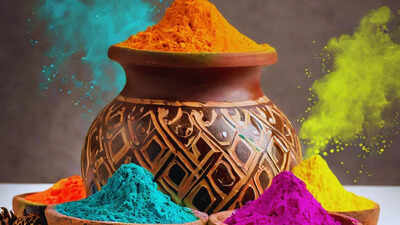
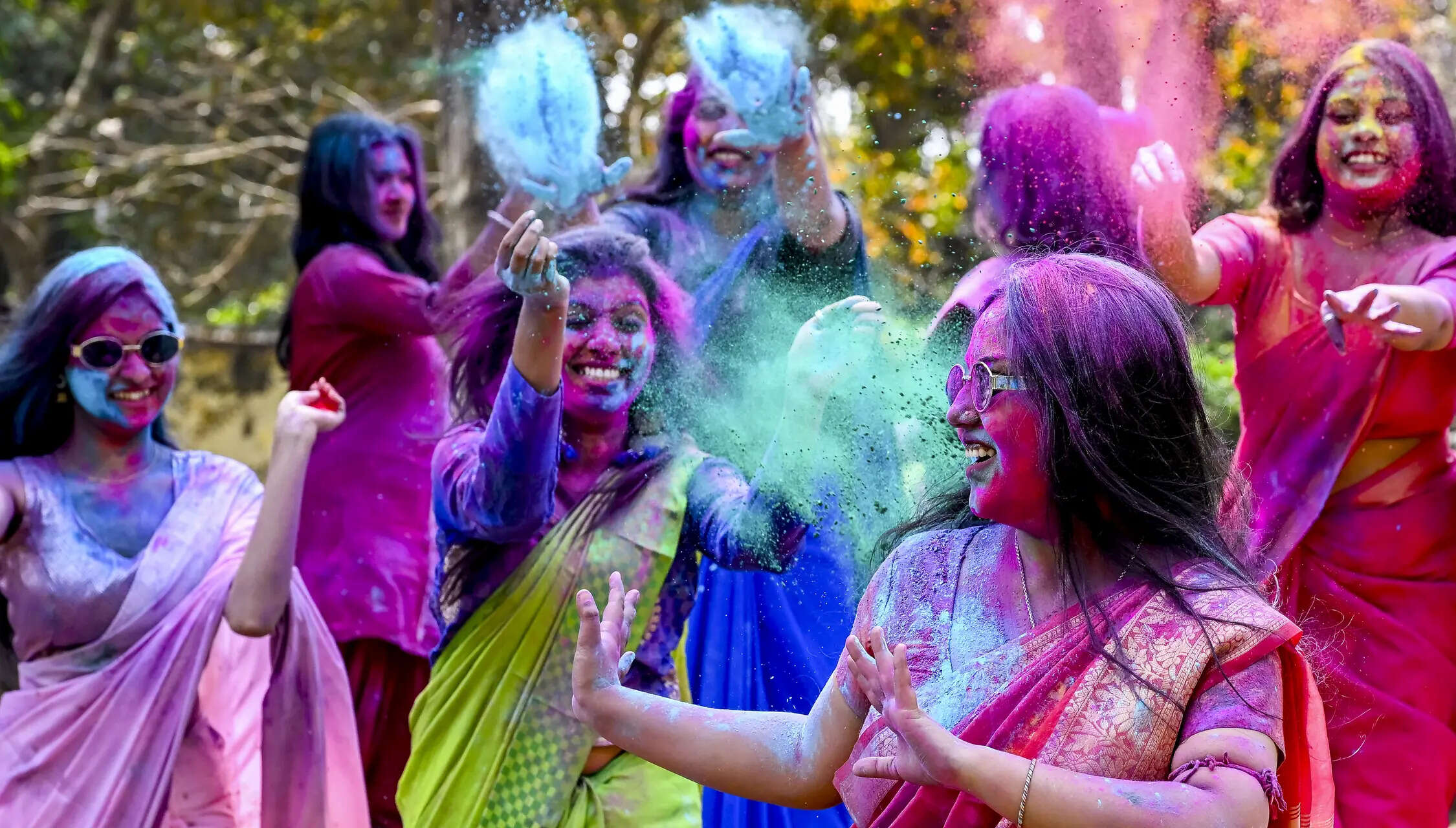
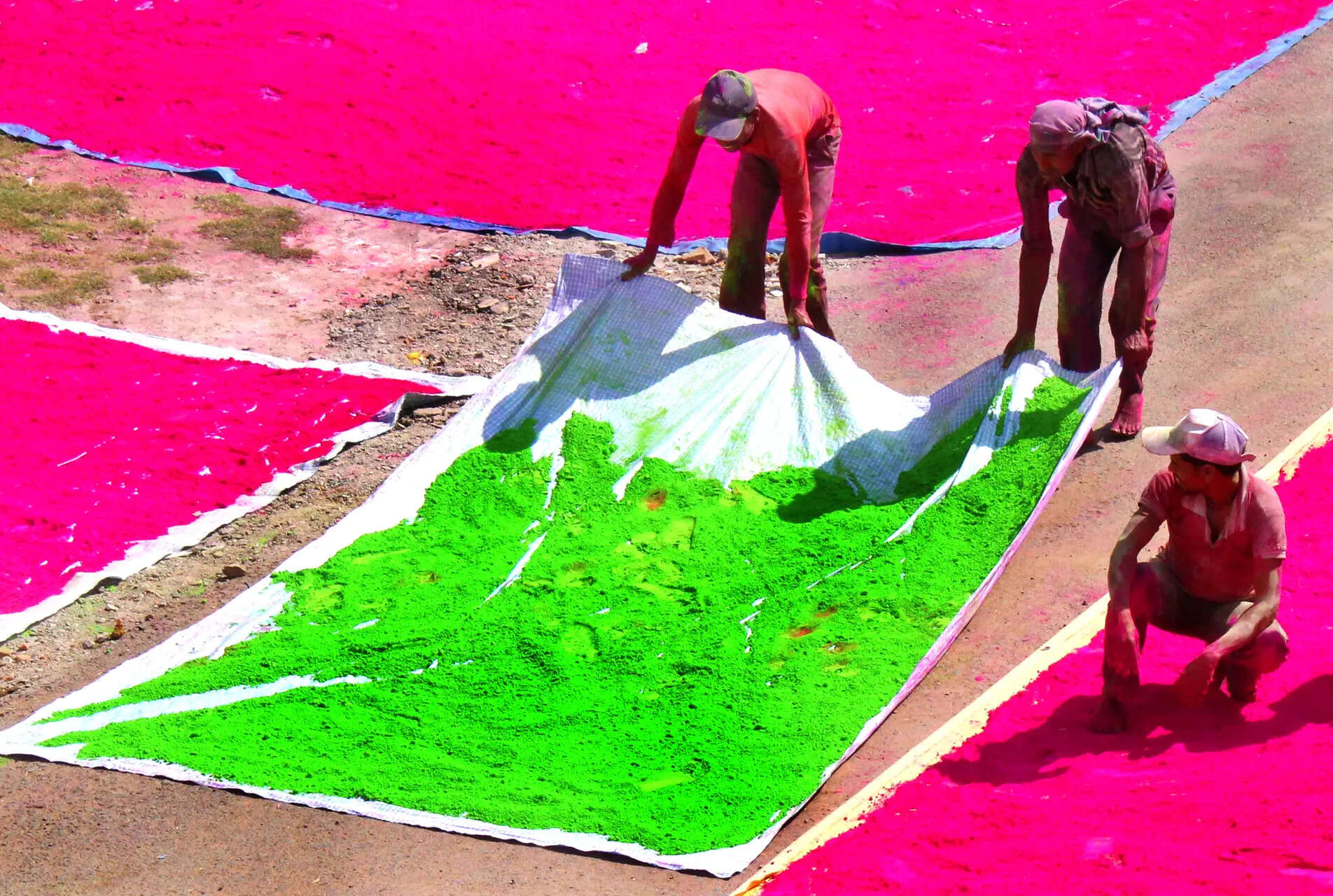
What do people do to celebrate Holi?Holika Dahan (The Night of the Bonfire)People in communities gather to light bonfires the night before Holi. People walk around the fire, give grains, coconuts, and prayers, and let go of bad things in a symbolic way.The ritual means cleaning and starting over.Rangwali HoliThe real fun starts the next day. People throw Gulal (colored powder), Water that is coloured and balloons with water in them. People dance in the streets, music plays loudly, and people share festive foods. Holi celebrations can last for days in cities like Varanasi.
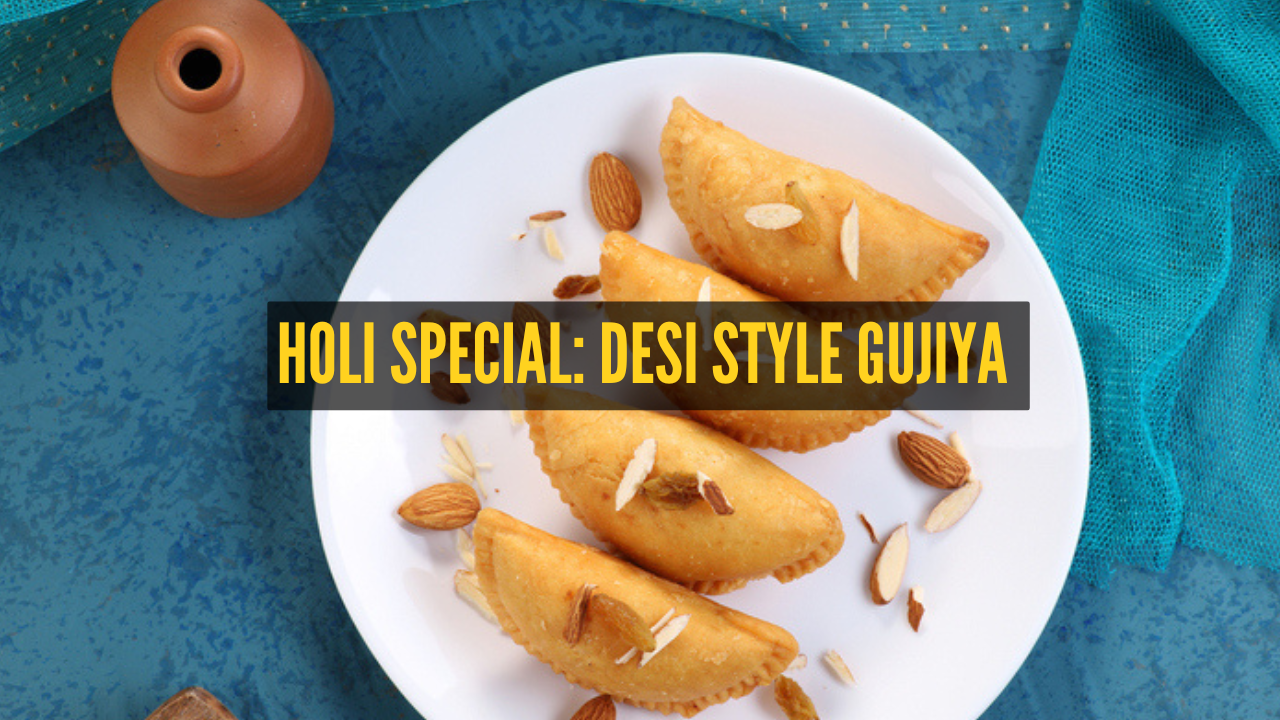
Foods that are synonymous with HoliFood is an important part of Holi. During Holi, food shows abundance, indulgence, and hospitality.
- Gujiya: Sweet dumplings filled with khoya and dried fruits.
- Thandai: A cold drink made with milk and flavored with almonds, saffron, fennel, and sometimes bhang.
- Malpua: Pancakes that have been deep-fried and soaked in sugar syrup.
- Puran Poli: A sweet flatbread stuffed with lentils that is popular in western India.
Different Parts of Holi: Depending on where you are, Holi looks different.
- Lathmar Holi in Barsana: Women hit men with sticks in a fun way.
- Dol Jatra in West Bengal: Devotional songs and processions of Lord Krishna idols were used to celebrate.
- Shigmo—Goa: A spring festival with folk performances and parades.
Is Holi only a holiday in India? Not at all. People celebrate Holi in Nepal, Mauritius Fiji, Trinidad and Tobago, The United States (in cultural festivals) and parts of Great Britain.The deeper spiritual meaning
- Holi reminds us of more than just colors and celebration:
- Ego will eventually burn like Holika.
- Like Prahlad, faith and goodness will last.
- With faces smeared and unrecognizable, all differences dissolve and vanish.
- Spring will always come after long, chilly winter.