









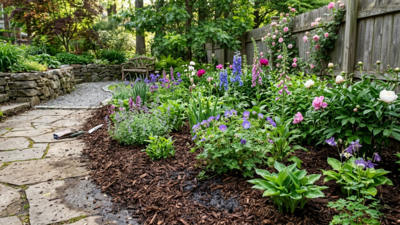
If you’ve been putting off refreshing the mulch in your garden beds, late spring is certainly one of the better times to do it, but only if you do it right. The desire to get out there the minute the weather turns is real, especially for anyone who spent the winter watching their garden go dormant. The thing is, so many people don’t realise how important timing and restraint are.Spring is a season of recovery, not a season of renovationHere’s the thing to remember before you drag out the wheelbarrow: your garden is still waking up. The University of Minnesota Extension recommends that spring should be a recovery season, not a full renovation, and the same logic applies to mulching. Even gentle work can compact roots, leave footprints and make everything tougher to manage down the line if your beds are still wet and soft, as they often are well into late spring across much of the US.The solution is simple: wait. As soon as the ground is firmed up and dried enough to be able to do light activity without damage, you are good to go. Mulching too soon is not only a waste of effort, but it can also lock in the wrong conditions and stress your plants just when they are trying to get established.What mulch really does for your bedsMost gardeners notice weed suppression as the most immediate benefit. A good layer of mulch blocks the light that weed seeds need to germinate, so fewer are able to reach the surface. It’s not a complete solution, but it will greatly reduce the hand-pulling you’ll be doing come July.The other issue is moisture retention. According to a study published in Frontiers in Agronomy, mulching in dryland agriculture has benefits, like moisture retention, temperature regulation, weed suppression and improvement of soil health. Mulch acts as a protective barrier, decreasing water runoff and helping to retain nutrients in the root zone, increasing their availability to plants. For home gardeners, this means more uniform conditions around the roots and less scrambling to find water during dry spells.
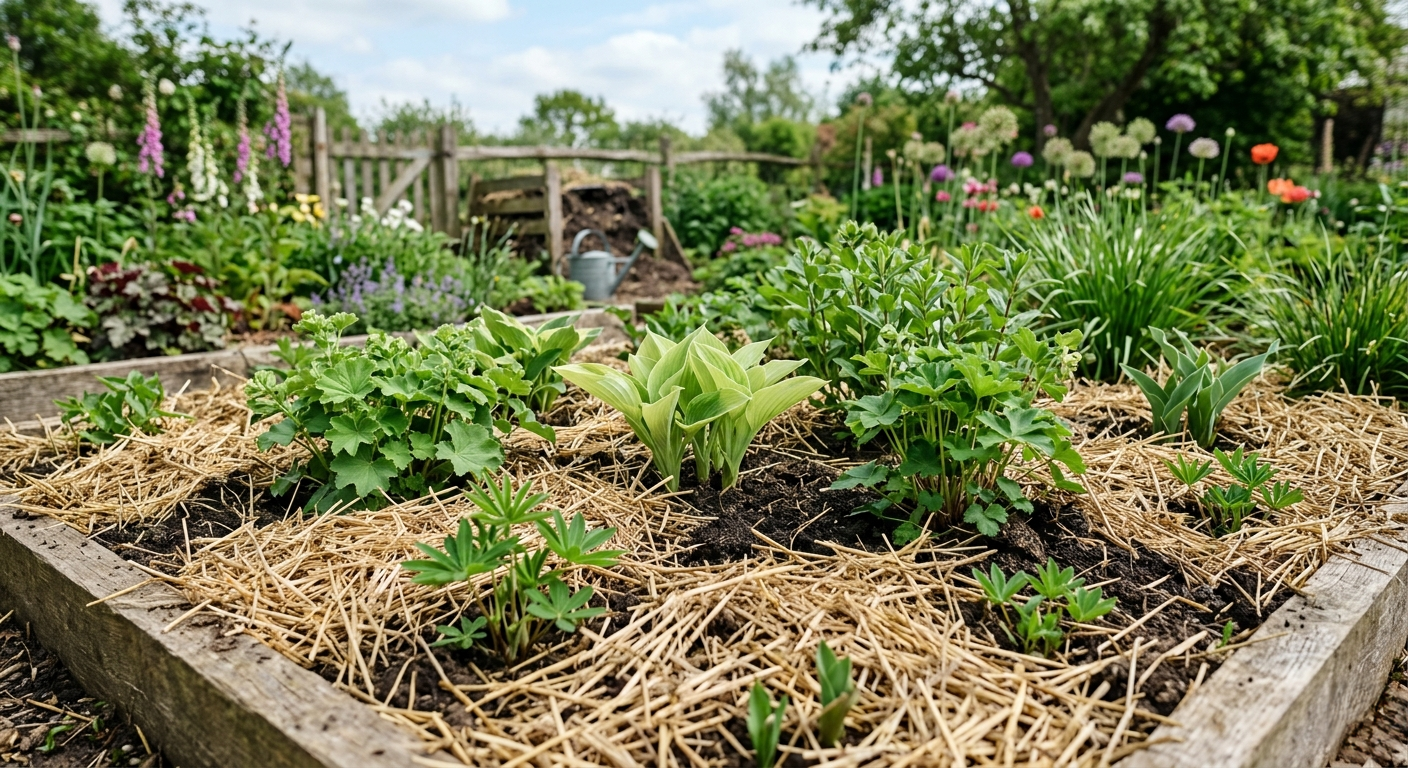
A simple layer of mulch over settled soil can protect your flower beds from weeds, moisture loss, and heat stress. Image Credits: Google Gemini
How straw mulch works in strawberry beds (and what you can learn from it)Straw-mulched strawberry beds suppress weeds, reduce disease pressure, keep fruit off the soil, and allow plants to grow right through. It’s a simple setup that does a lot at once. You don’t have to be growing strawberries to get the lesson. The same method works for any garden bed of low-spreading plants, such as herbs, groundcovers, or perennial borders. Bare ground is an open invitation to weeds and moisture loss, and a mulch layer seals that in.Get the bed ready before you spread anythingOrder of operations is important. Don’t cheat spring cleanup with a quick fix like mulch. Rake off any dead plant material, be sure the soil has actually firmed up, and that your plants are settled before you begin spreading. If you have recently put in new transplants and the roots are still stressed, mulching over that situation doesn’t fix it; it just covers it up.UMN Extension guidance is clear: do not rush wet ground. Avoid major digging or aggressive work until late summer or fall, when the garden can take more intervention. Spring work should be light and selective.Don’t overcomplicate it; timing does the heavy liftingLate spring mulching doesn’t mean throwing on a lot of layers and treating it as a complete garden renovation. It’s a modest, well-timed refresh that will get your beds into better shape for summer. Once the soil is workable, a couple of inches of straw, wood chips, or shredded leaves can reduce your weeding time, help the soil retain moisture longer, and protect the surface as temperatures climb.The gardeners who reap the greatest benefits from mulch are not necessarily those who spread the most mulch. They are the ones who wait for the right time and work with the season, not against it. It’s honestly the cheapest, lowest-effort upgrade your garden beds can get this spring.